
The topic of representation across all forms of media is a hot one regardless of which ‘minority’ group you personally come from. What we consume, be it via social media, film & television, or what we read in fiction, has the ability to shape our understanding of the world around us. It is the foundation our ‘norms’ are based on. Storytelling is at the bedrock of identity, empathy and human connection.
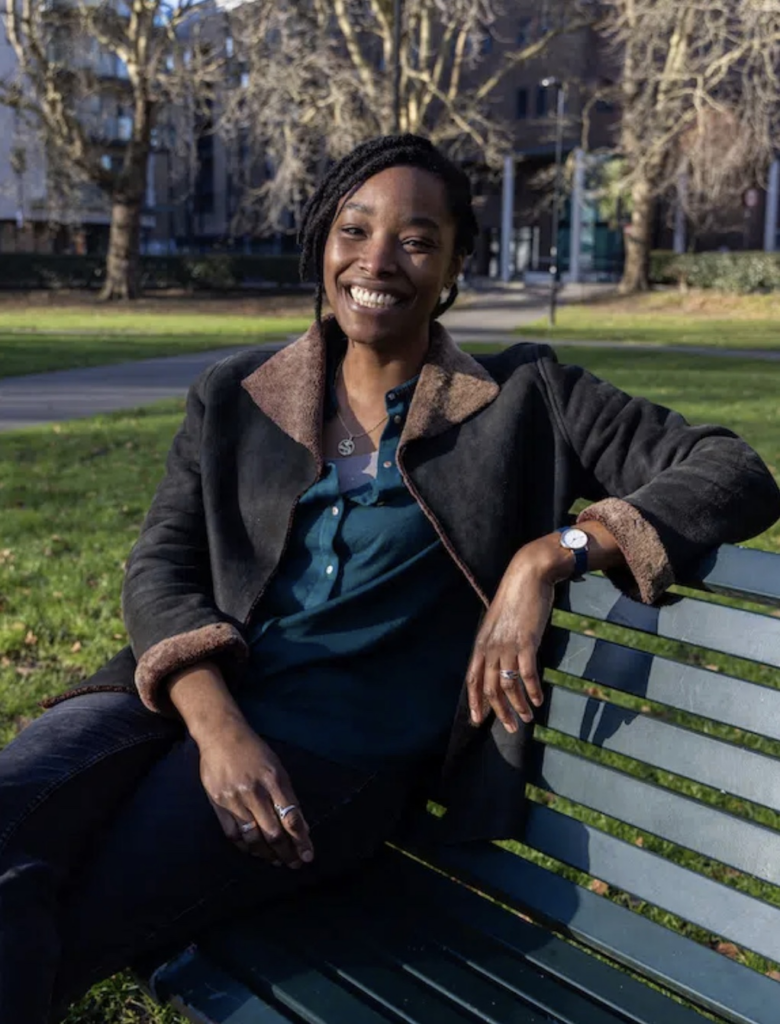
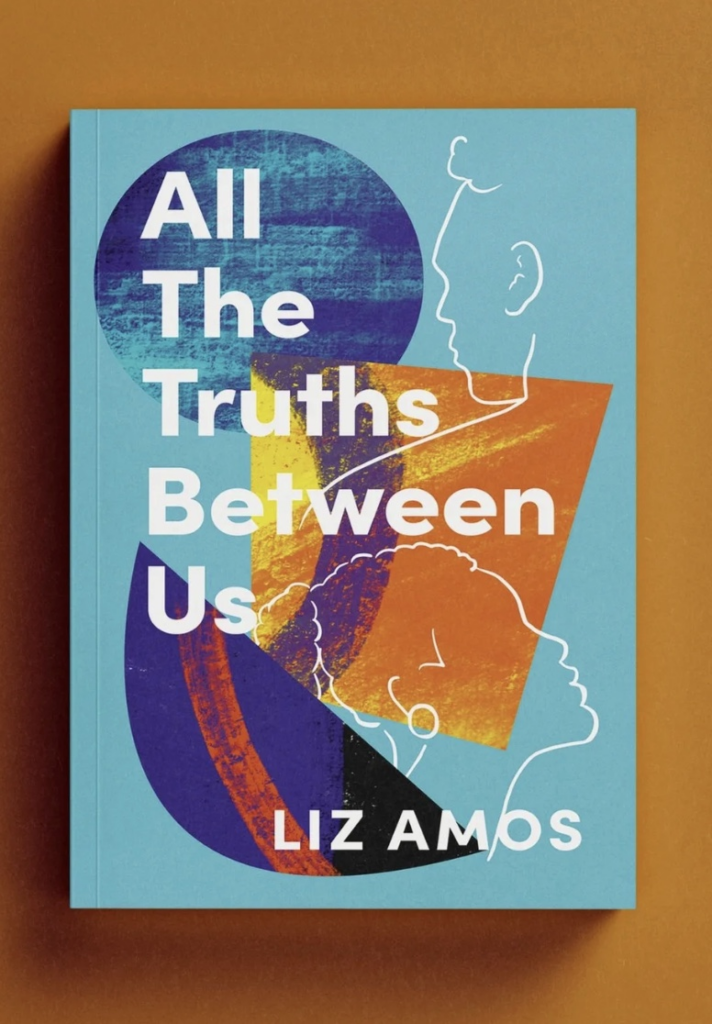
This month I’d like to introduce you to a local writer whose debut book, ‘All the Truths Between Us’, reminded me of how important non-tokenistic representation is.
All too often, black characters and storylines are not delivered authentically. Liz’s book offers two central characters who are incidentally black. It’s not the root of their storyline, though it plays a part, it’s not the source of strife or conflict, though it has its impact, and it is not done to cover the diversity bases, though subtly and gently, it does. And as I read it, I realised just how rare and wonderful that is.
How did you approach the role of blackness in your character and their storylines?
Racial tension is often a focus in books with black main characters. That can be taxing as a reader – especially if you’re dealing with that in daily life. And when blackness is used as a conflict point again and again, it can send a signal that being black is a problem. Even centering black identity in a celebratory way can end up being restrictive.
A saying I’ve inherited from my maternal grandma is “people are people”. Living as a whole human is a very nuanced experience. Yes, sometimes blackness is prominent in the ways we encounter the world. But sometimes different aspects of our identities are the source of tension and growth – which is where a good story starts. At the time of writing, I just had other things on my mind: love, grief, vocation, spirituality. Those were pressing issues for me, and consequently for the characters.
Why do you think it is hard to find books like yours on local library and bookstore shelves?
On a practical level, my book is self-published which creates logistical barriers for accessing libraries and bookshops. But, more fundamentally, for stories that don’t sit within clear marketing brackets it can be very hard to get commercial backing. It’s an industry. It helps if your story aligns with the goal of being able to sell to a specific target audience – and there can be quite a narrow mindset about what that means.
I’m still exploring routes for ‘All the Truths Between Us’ to find wider distribution but, at the same time, I’m incredibly proud to have written something that all kinds of people engage with. I don’t want to write for a market segment; I want to write for individuals who need to see their full complexity honoured. And for people who have deep empathy for characters who aren’t like them.
What kind of reactions have you had from the publishing industry and readers alike, and has there been any notable difference between those who identify as black or white?
The draft manuscript was longlisted for the SI Leeds Literary Prize which celebrates UK Black and Asian female writers, so that felt very validating. On the other hand, I had feedback from a black person within the industry that the story was ‘too elitist’ – presumably because Ben went to Oxford University and explores working in the City. But I’ve done both of those things! I also remember one white reader commenting that they forgot the characters were black, and some people miss that Ben is of mixed heritage. So, there is still a lot of room for discussion about what a “Black story” can be, and assumptions around ideas of race, class and social mobility.
That said, by far, the overwhelming response to the story – from readers across all demographics – has been one of deep emotional connection. People love and feel for Ben and Harriet; their voices, dilemmas and self-discoveries really seem to resonate. There’s something very universal and gripping about the question: how can I live a meaningful life? Especially if we’re brave enough to admit that there’s no straightforward answer.
Your career has taken huge leaps from law to creative writing and also to facilitating writing workshops and hosting open poetry mic’s recently. What made you turn your back on law?
My body. I was living in a way that fragmented me. My mind thought I was doing OK, but my body just stopped. That said, I don’t think I’ll ever completely turn my back on law. I’ve always found it fascinating from a narrative point of view. Through law we tell the story of what’s permissible in society. It’s an incredibly powerful form of social imagination, and we all need to pay attention to how and why different visions of acceptability are scripted for us.
So, I don’t think I’m finished with law altogether but returning to creative writing has been a process of reconnecting with the person my childhood-self expected to become. And poetry was the first space that gave me black voices I could connect to; it feels natural to express myself in that way. Facilitating gives me a way to make room for other people to discover the joys of their own creativity, which is a real privilege – I appreciate being able to share what I value. Really, I’m just trying to live a more complete picture of who I am.
As a parent and an avid reader, what is your approach to fostering diverse reading habits for those around you?
It can be hard. Independent bookshops and publishers are better at promoting stories that don’t necessarily fit neat boxes. The library is great for taking chances. Intentionally deciding to read stories outside of what’s mainstreamed is the first step – and once you make that commitment, the algorithms will learn!
I always hope people will choose stories that leave them feeling more engaged with the world in some way – which is possible through all kinds of genres and storylines. But pressure and shame are so unhelpful. Fiction can educate us, but it can also give us a really valuable mental break. Both are valid. I try to stay away from “shoulds” and encourage people to approach reading from a place of curiosity. It’s OK to let some things pass you by. There are Black classics that I know I’m too sensitive for, and others that I just don’t like. At the moment, I’m prioritising fiction from cultures and situations outside of my lived experiences. Experiment!
As someone who has followed The Nightjar Project, how have its themes of migration, belonging and identity impacted you personally?
I definitely shed a tear when Kwame first talked to me about the nightjar – a bird with no regard for human borders. I’ve always struggled for a coherent sense of belonging; it’s only in later life that I’ve recognised how significantly the ruptures of migration have shaped me.
I’m beginning to see that my feelings of not quite knowing where I come from are not something to be ashamed of. They’re an invitation for me to explore and embrace the realities of existing on this Earth. We all have expansive and complicated lineages, and The Nightjar Project is such a great reminder that there’s no need to fixate on one space or community. We can always do the work of re-rooting ourselves in the places that help us flourish – which might change, depending on the season of life we’re in.
One of our central tenets is that a person can have many places that they belong to and carry with them. We don’t have to split ourselves, code-switch, or lose parts of ourselves or our cultures in an attempt to fit in. Instead, we can carry and celebrate all that we are and belong everywhere. Can you tell us a little about the homes in your heart? Or if you’d prefer the homes in your character’s hearts as they navigate religious and secular life, questions of sexuality and the ways in which we love and grieve.
This is such a great question! And a big one… I can address the two sides together, because writing fiction often shows me what’s going on internally. I relate to Ben’s need to find a form of spiritual life that doesn’t feel superficial. And Harriet’s struggle to believe in her creativity was probably me talking to myself. I always knew I’d include a queer Christian. Affirming that character, Jono, was a precursor to being able to recognise my own repressed identities, which has been necessary and healing.
Prior to the book, I had a real fear of abandonment, which turned into self-abandonment. And I did split myself and lose parts of myself in an attempt to stay within certain spaces. But, as the title suggests, ‘All the Truths Between Us’ is largely about struggling towards honesty – the kind of deep reckoning with desire and hope and fear that we often try to bypass because it’s hard and messy. There’s a level of bravery in Ben and Harriet’s story that I’ve been able to adopt for myself. I’ve reclaimed the idea that I can handle bittersweet things. And I recognise that genuine love is patient and generous and able to transcend fear. So, if nothing else, the story has given me a greater fluidity and open-handedness towards my life. And a lot more peace.
Finally, how can the Nightjar community find, follow and support you and your work?
I am on instagram (@liz.amos_writes) and I have a newsletter sign-up on my website: liz-amos.com
My book is available on Amazon, Kindle and (usually) World of Books, and can be requested from October Books in Portswood.
by Adeola Sheehy for African Activities
0 Comments